

“How much is this going to cost me?”
It is the question every new student asks, usually with a look of slight panic. And it is a fair question. If you look at Instagram, you might think you need a $5,000 computerized machine, a wall of color-coded thread, and a studio that rivals a Parisian atelier just to sew a pillowcase.
Here is the truth for 2026: You do not need a fortune to start sewing. But you do need to spend smart.
In the Fair Fit Method, we believe in the “Buy Nice or Buy Twice” philosophy. When you invest in the right tools upfront, you save yourself years of frustration. Cheap thread breaks. Cheap scissors chew fabric. A cheap machine will fight you at every hem.
If you are ready to move from “thinking about sewing” to becoming a Maker-Designer, here is your breakdown of the essential investments—where to save, and where to splurge.
1. The Machine: Your Primary Partner
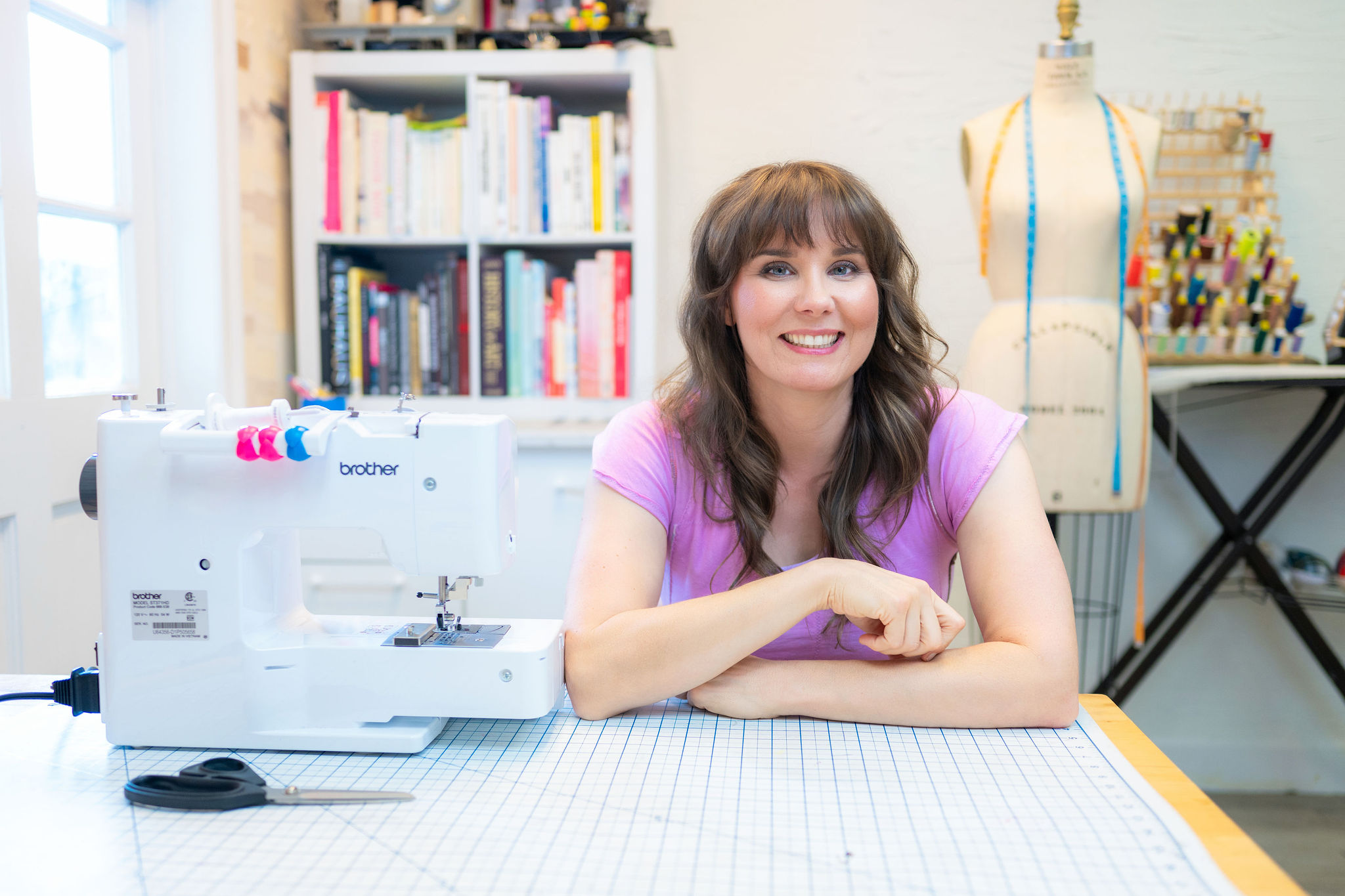
Your sewing machine is not just a tool; it is your partner in the design process. You need a machine that is stronger than you are.
The Myth: You need 200 decorative stitches. The Reality: You need a strong motor and a perfect straight stitch.
For beginners and intermediate designers alike, I recommend a Mechanical Heavy Duty Machine. Why mechanical? because they are easier to repair, have fewer computer chips to break, and can handle thick layers of denim or canvas without stalling.
- My Top Recommendation: The Janome HD-3000. It is the workhorse of my studio. It has a metal frame (rare these days!), drop-in bobbin, and enough power to sew through multiple layers of denim. It is an investment that will last you for decades, not just months.
2. The Cut: Precision Tools
If you are fighting your fabric while cutting, you have already lost the battle before you sew a single stitch.
Standard kitchen scissors crush the fabric fibers rather than slicing them. This leads to jagged edges and inaccurate seams. To sew like a professional, you need Shears, not just scissors.
The Splurge: Kai Professional 7000 Series Shears. These are the “Ferrari” of scissors. They cut through silk like butter and don’t hurt your hand after hours of cutting.
The Budget-Friendly Option: Kai 5210 Dressmaking Shears. A fantastic entry-level option that still offers superior Japanese steel blades.
3. The Classroom: Your Mental Investment
The most expensive thing in sewing isn’t the machine—it is the fabric you ruin because you didn’t know how to handle it.
I see so many students spend hundreds of dollars on beautiful linen, only to cut it on the wrong grainline or sew it with the wrong tension. The garment ends up in the trash, and they feel defeated.
Investing in education is the “insurance policy” for your materials.
Start Here: Our [Link to Course: Beginner Patterns Online Class] is designed to save you from the “trial and error” phase. We teach you the order of operations so you don’t waste yardage.
Level Up: Once you know the basics, our [Link to Service: Fair Fit Design Courses] teach you how to manipulate patterns so they actually fit your body—saving you from making clothes you never wear.
4. The “Hidden” Essentials (Don’t Skip These!)
There are a few smaller items that beginners often overlook, but they make a massive difference in the quality of your work.
Quality Thread: Your machine hates cheap thread. It creates lint and messes up tension. Stick to brands like Mettler Thread or Gutermann Thread.
Pressing Tools: Sewing is actually 40% stitching and 60% pressing. A simple iron isn’t enough. You need a Tailor’s Ham to press curved seams (like hips and busts) so they mold to your body.
The Bottom Line
You are building a practice that will last a lifetime. You don’t need to buy everything at once, but prioritize the tools that impact the function of your sewing.
A solid machine, sharp shears, and a good teacher—that is the trinity of success.
Ready to make your first smart investment? Check out our Complete Supply List for a detailed breakdown of every tool we use in the Fair Fit Studio.
Online course · $75
Learn to sew from the very first stitch
Beginner Sewing walks you through setting up and controlling your machine, the core techniques nearly every project uses, and your first finished projects. Work at your own pace from home.
See Beginner Sewing Not sure where to start? Find your starting point